Where Archives, Art, and Technology Illuminate Culture
Introduction
Research-grounded cultural exhibits for the web — combining archives, storytelling, and art, designed to feel at home in museums, schools, libraries, and galleries.
Opening Soon
A Cabinet of Eggs: From Kurhessen to San Francisco, 1858
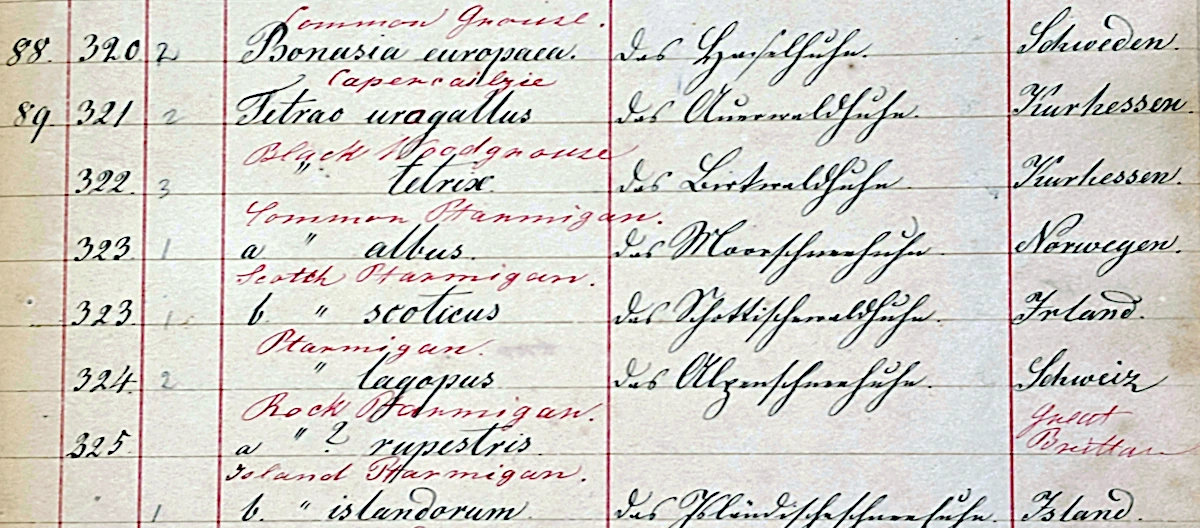
An 1858 bird-egg catalogue associated with the What Cheer House Museum becomes the starting point for a wider story about natural history, exchange, classification, and cultural memory. Built around a printed European bird-exchange list and expanded by hand in San Francisco, the ledger records not only expected collection entries, but also exotic, local, anomalous, and collection-specific material. Its final page also bears the signature of Carl F. Nahl, adding a striking link to nineteenth-century California art and collecting.
Sitting at the intersection of biodiversity informatics and archival science, A Cabinet of Eggs follows hundreds of entries across old scientific names, handwritten notes, geographic origins, and modern taxonomic identities. The project asks what can be recovered from a museum ledger: not only the birds it names, but the people, places, institutions, and systems of knowledge that carried those specimens from Europe to San Francisco.
On View
Current exhibits and research pieces explore California architecture, visual evidence, technological imagination, and the afterlives of historical records.
-
Arthur Page Brown — “Architecture of California” (1894)
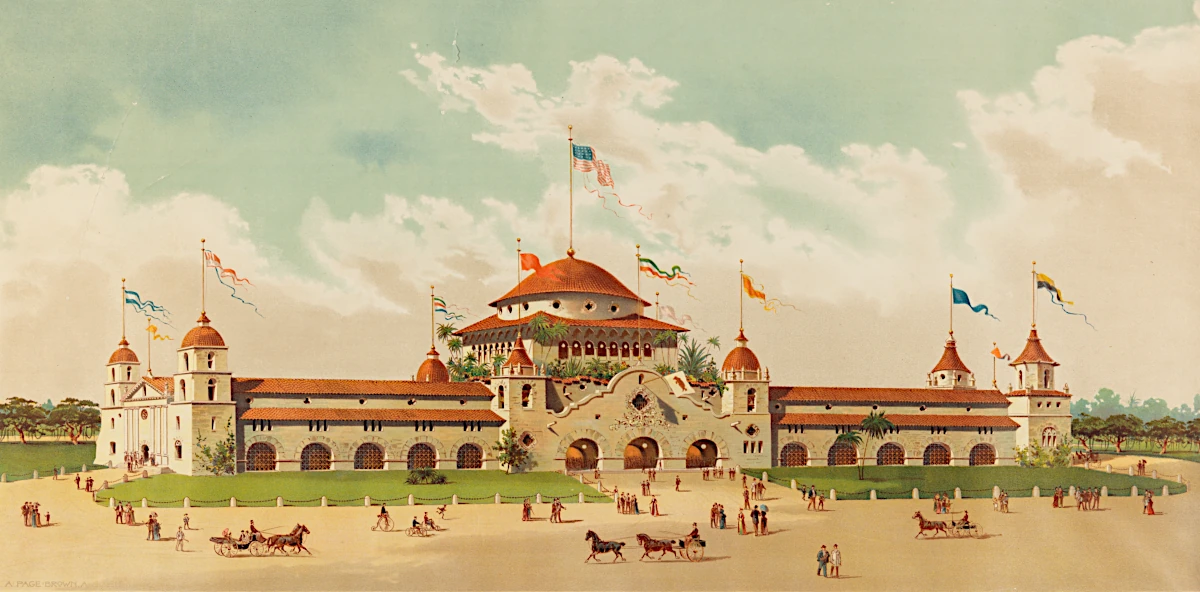
Arthur Page Brown and H. S. Crocker & Co., California State Building, World’s Columbian Exposition, Chicago, Ill., 1893. Courtesy of California State Library. Published in the San Francisco Chronicle in 1894, Arthur Page Brown’s fierce critique of San Francisco imagined a more permanent civic architecture — and ended with a chilling prophecy of fire, earthquake, and urban rebirth.
-
Muybridge, Sallie Gardner, and the Making of Motion Legible
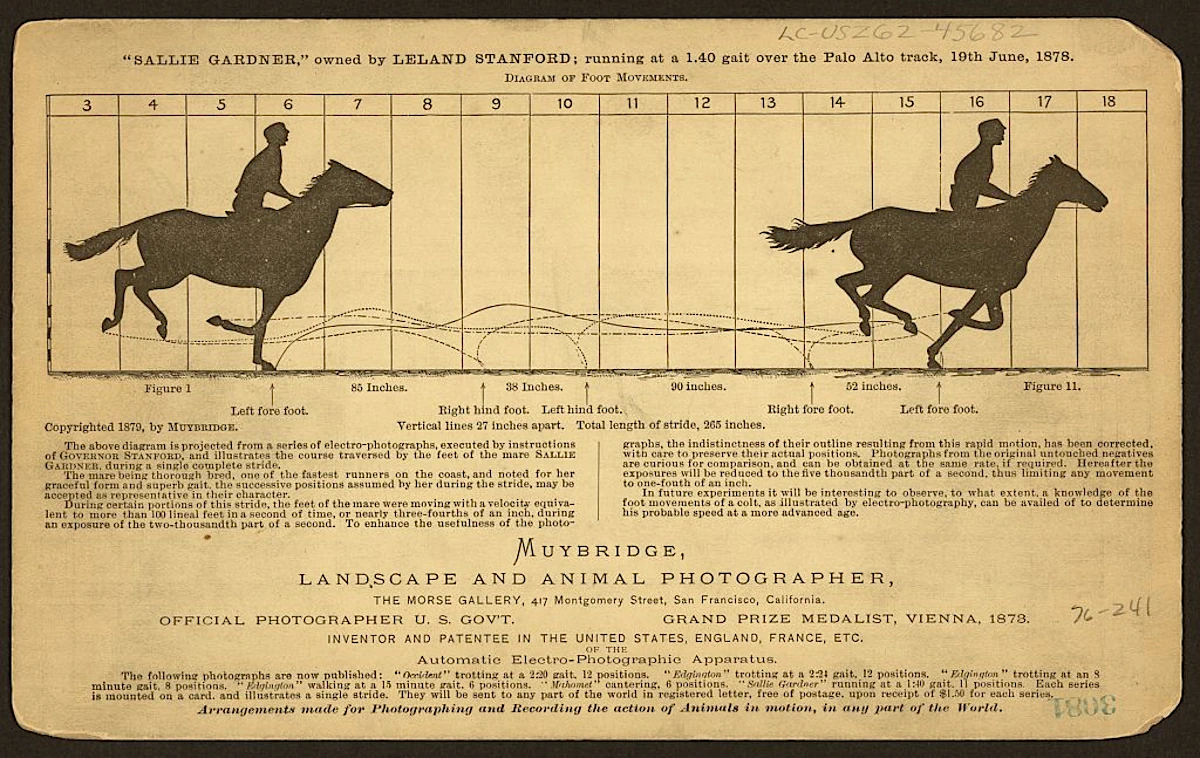
“Sallie Gardner,” owned by Leland Stanford; running at a 1.40 gait over the Palo Alto track, 19th June, 1878. Diagram of Foot Movements. Courtesy of the Library of Congress. Muybridge’s 1878 experiment at Palo Alto made rapid motion legible. This research piece returns to Sallie Gardner through rare primary sources, treating the famous horse sequence as an early visual system for turning movement into analyzable evidence.
About What Cheer House
What Cheer House takes its name from San Francisco's original What Cheer House — a Gold Rush–era hotel at Sacramento and Leidesdorff streets that housed the city's first free library and one of its first museums. That legacy of inquiry, exchange, collecting, and public culture continues today through archival research, exhibition design, and artistic practice.
Founded and developed by cultural technologist Matt Savage, What Cheer House is an archive-driven cultural research studio creating public exhibits across two connected layers: a web-based research, storytelling, and prototype layer, and an institution-ready installation layer designed for museums, schools, libraries, and galleries.
Each major exhibit is shaped to be beautiful online, credible as scholarship and storytelling, and imaginable as a physical installation from the start.
What Cheer House collaborates with artists, researchers, educators, technologists, and cultural organizations as individual works develop, shaping each partnership around the needs, permissions, and responsibilities of the work.